September’s birthstone, sapphire, carries a sense of calm strength that feels both enduring and composed. Best known for deep blues that evoke open skies and deep water, sapphire also appears in a remarkable range of colors, each reflecting the quiet confidence of early autumn. It is a stone long associated with wisdom, protection, and clarity of thought, valued as much for its reliability as for its beauty.
Sapphire

Sapphire is a variety of corundum, the same mineral family as ruby, distinguished by any color other than red. While blue sapphire is the most familiar, sapphires can occur in just about every color imaginable. Trace elements such as iron and titanium are responsible for the stone’s coloration, producing hues that can range from pale and airy to richly saturated.
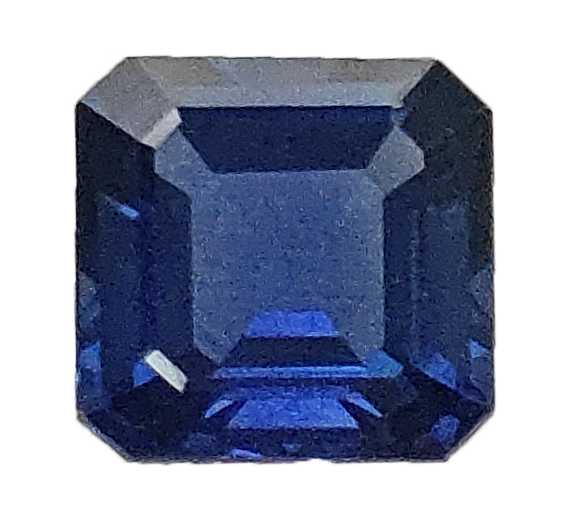
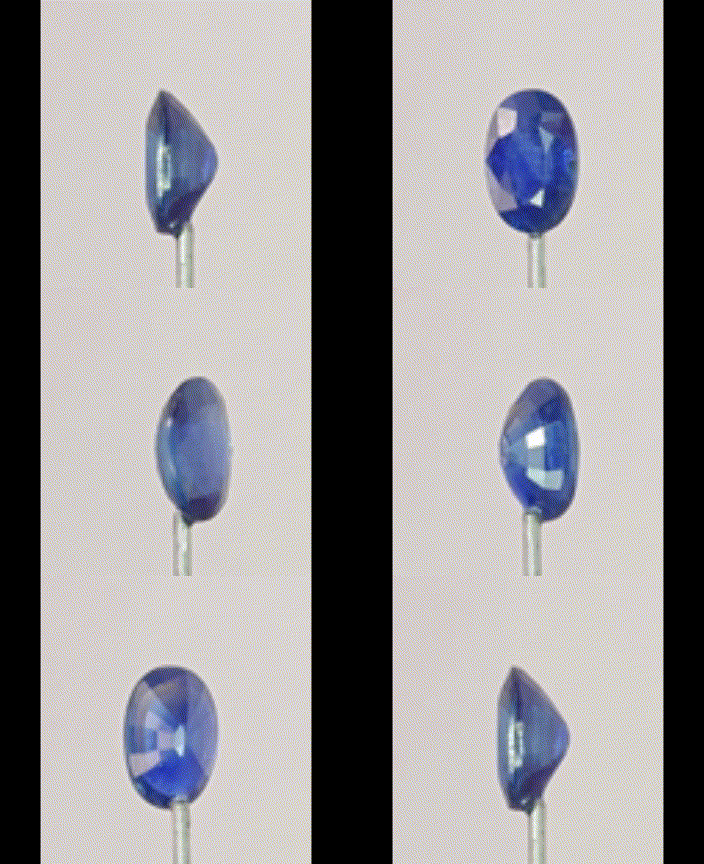
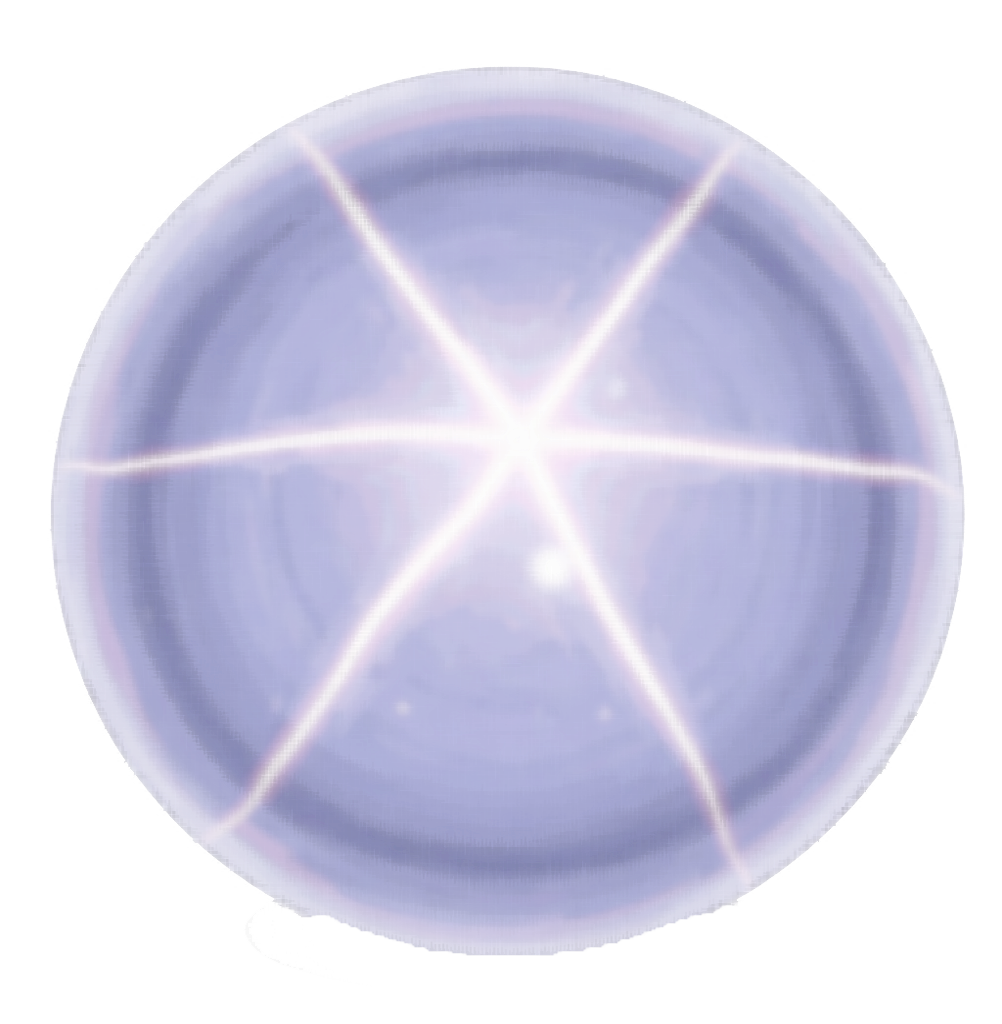
Sapphires with rich, vibrant color tend to draw the highest demand, but the remarkable range of tones and styles means personal taste plays just as important a role as market preference. Inclusions are common in natural sapphire and can help distinguish natural stones from synthetic material. Some inclusions, such as fine needle-like structures, can even enhance a sapphire’s appearance by creating a soft, star-like effect when cut as a cabochon.
Most sapphires on the market today have been heat treated to improve color and clarity, a practice that is widely accepted and stable. Untreated sapphires of fine color are less common, though treated stones can still be highly valued depending on their appearance. More advanced treatments exist, but disclosure and overall visual quality play a central role in determining desirability.
For much of history, sapphires were prized not only for their beauty but for their perceived protective qualities. They were worn by clergy, royalty, and scholars alike, believed to guard against harm and bring clarity of mind. This symbolic association helped cement sapphire’s role as a stone of trust and authority across cultures.
One of the most well-known sapphires in the world is the Star of India, a 563-carat star sapphire discovered in Sri Lanka. Cut en cabochon to display its six-rayed star, the stone is part of the permanent collection at the American Museum of Natural History.
Sapphire is one of the hardest gemstones, making it well suited for everyday wear. It performs well in rings, bracelets, and other frequently worn pieces. Cleaning should be done with warm water, mild dish soap, and a soft brush. Ultrasonic cleaners are generally safe for untreated or heat-treated sapphires, but steam cleaning should be avoided. As with all fine jewelry, removing sapphire pieces during strenuous activity helps preserve their finish over time.