May’s birthstone, Emerald, is known for its vivid green hues, from icy blue-greens to rich, dark viridian. This rare stone has been prized for thousands of years as a symbol of vitality, growth and renewal.
Emerald

Emerald is the green variety of beryl, the same mineral family as aquamarine and morganite, but its appearance and reputation set it apart. Trace amounts of chromium or vanadium give emerald its distinctive range of greens, unmatched by nearly any other natural gem. For this reason, emerald has never been judged by clarity alone. Color has always been paramount, with the finest stones valued for the depth and intensity of their green rather than the absence of internal features.
Most emeralds contain inclusions, often referred to as jardin, French for “garden,” a term that reflects their mossy, organic appearance. These internal features are so common that an emerald without inclusions is considered unusual, and in some cases, suspect. Rather than detracting from the stone, these inclusions are widely accepted as part of emerald’s character and are often used to help identify natural stones.
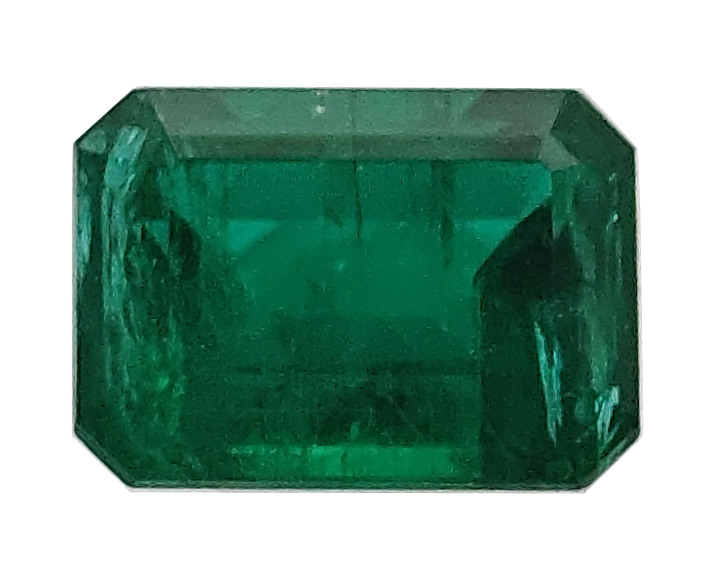
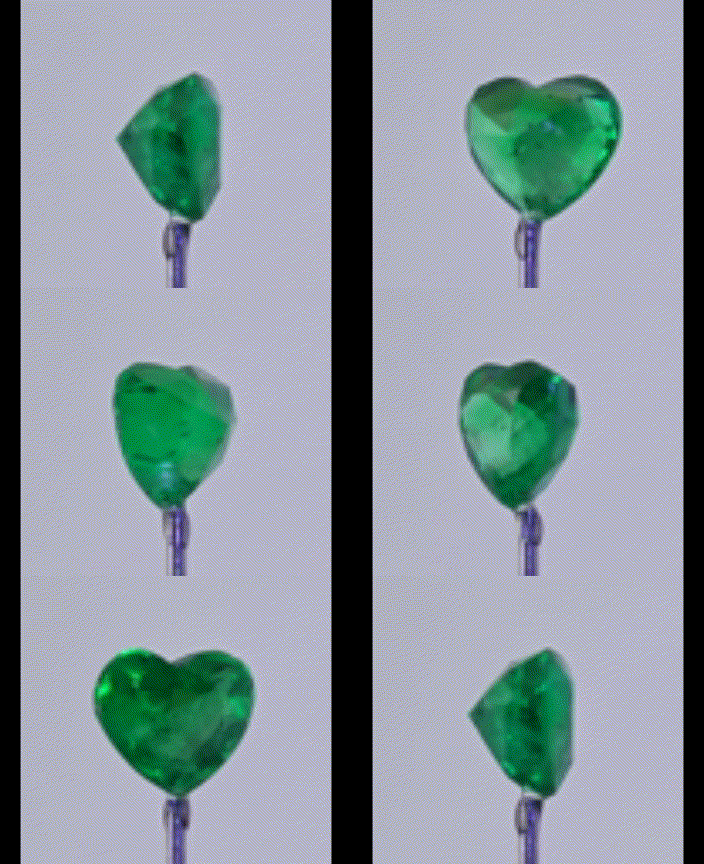
Emeralds have been mined and revered since antiquity. Cleopatra was famously enamored with the gem, and emerald mines in Egypt date back over two thousand years. Today, some of the most prized emeralds come from Colombia, though significant deposits are also found in Zambia, Brazil, and Afghanistan, each producing stones with slightly different tonal qualities.
Due to their inclusions, emeralds are more fragile than other beryls of similar hardness. Most emeralds are treated with oils or resins to improve clarity and stability, a practice that is widely accepted in the gem trade. The degree and type of treatment can affect value, but untreated emeralds of fine color and clarity are exceptionally rare.
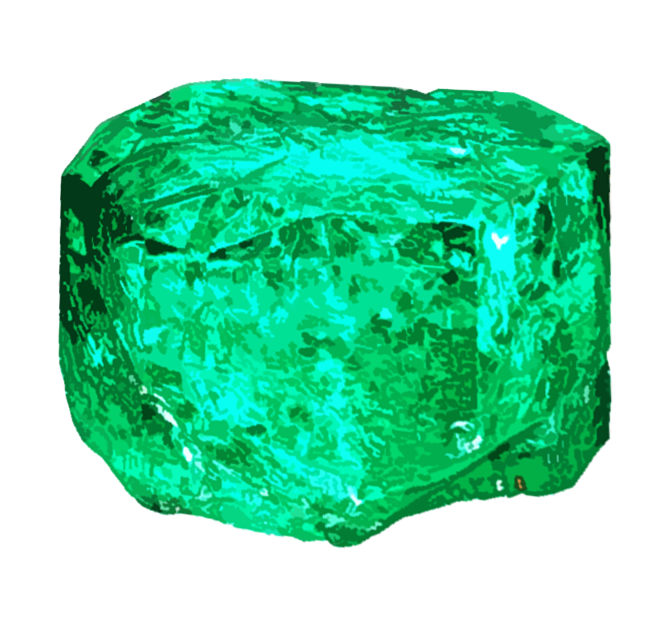
Among the most widely cited emerald specimens is the Gachala Emerald, discovered in Colombia in 1967. The crystal weighs 858 carats and remains uncut, preserving its natural hexagonal form. It was donated shortly after its discovery to the National Museum of Natural History, where it is currently on public display.
Emerald jewelry should be worn with care. Rings are particularly vulnerable to impact, as inclusions can act as stress points. Cleaning should be limited to warm water, mild dish soap, and a soft brush. Ultrasonic and steam cleaners should be avoided entirely, as they can worsen existing fractures or remove oils used in treatment. When not worn, emeralds should be stored separately to prevent contact with other jewelry.