December birthdays get to choose between three icy cool stones. From the soft blues of turquoise, like winter on the coast, to the deeper purple-blues of Tanzanite, sunset in the arctic, and finally to the crisp colors of zircon, white, blue, and green glacier with some red and yellow hot coals for warmth.
Tanzanite
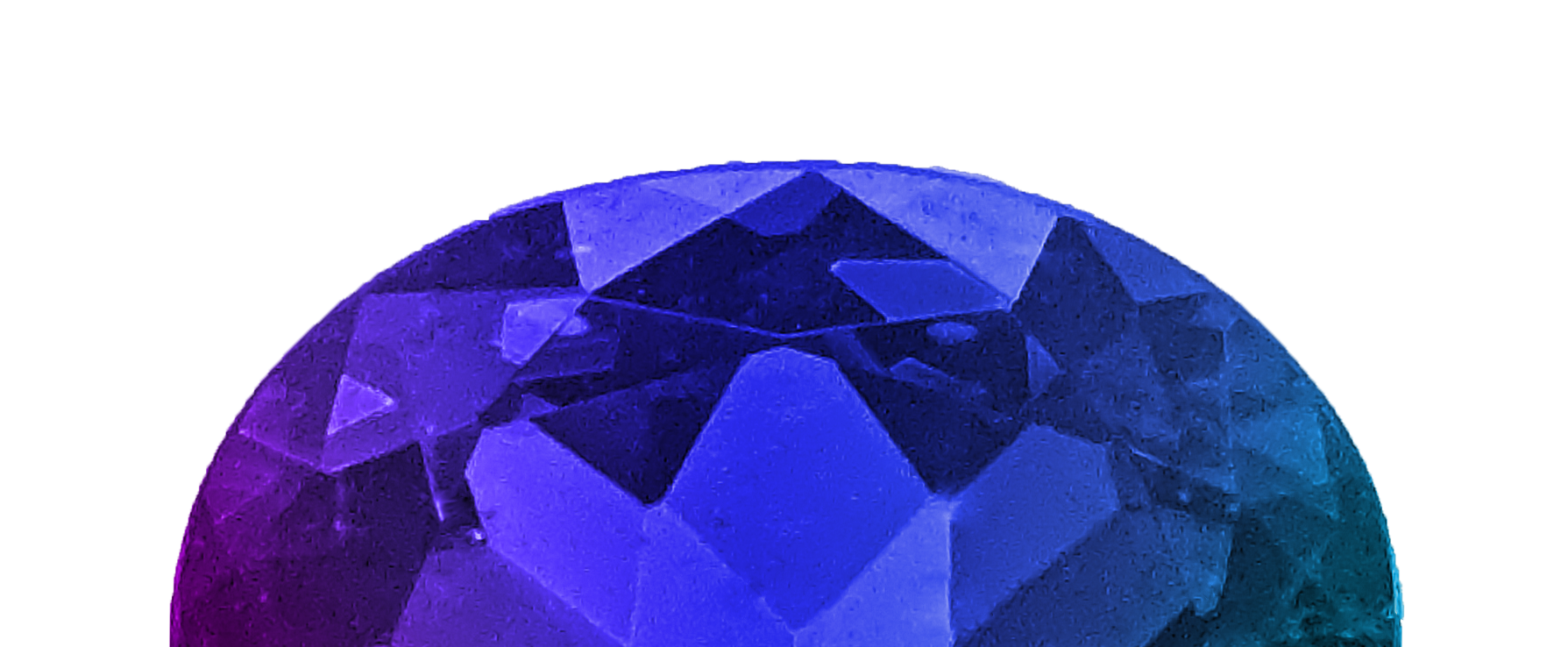
Tanzanite is a strikingly beautiful gemstone, known for its vivid blue hues and exceptional rarity. The stone is a blue variety of the mineral zoisite, but in the 1960s Tiffany & Co.’s marketing team decided to call it Tanzanite after the only place it is known to occur, a small region near Mount Kilimanjaro in Tanzania.
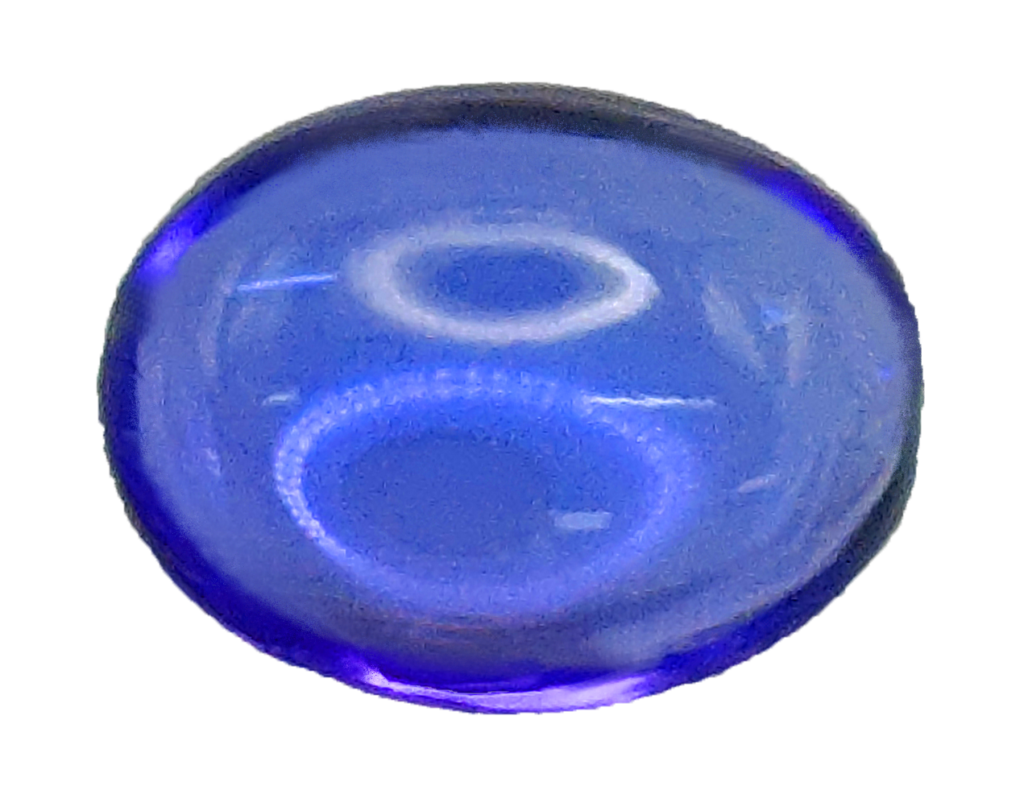

One of the most interesting aspects of Tanzanite is its optical properties. In its untreated form, Tanzanite is trichroic, meaning it displays three different colors when viewed from different angles. Typically, these colors are brown, blue, and violet, but in some stones, other hues such as purple, indigo, cyan, green, yellow, orange, and red can also appear. Heat treatment is a standard process for Tanzanite, enhancing the blue and violet tones, resulting in a more vivid and uniform appearance. Heat-treated Tanzanite is generally dichroic, showing two main colors, such as violet through bluish-violet to indigo. This heat treatment does not diminish the gem’s value and is widely accepted as a natural enhancement of the stone’s beauty. While Tanzanite’s value is generally maintained with heat treatment, there are other enhancements, such as coatings, that can lower its worth.
Among the largest tanzanites ever discovered was a remarkable 46,000-carat specimen found in 2020 by Saniniu Laizer, a Tanzanian subsistence miner.
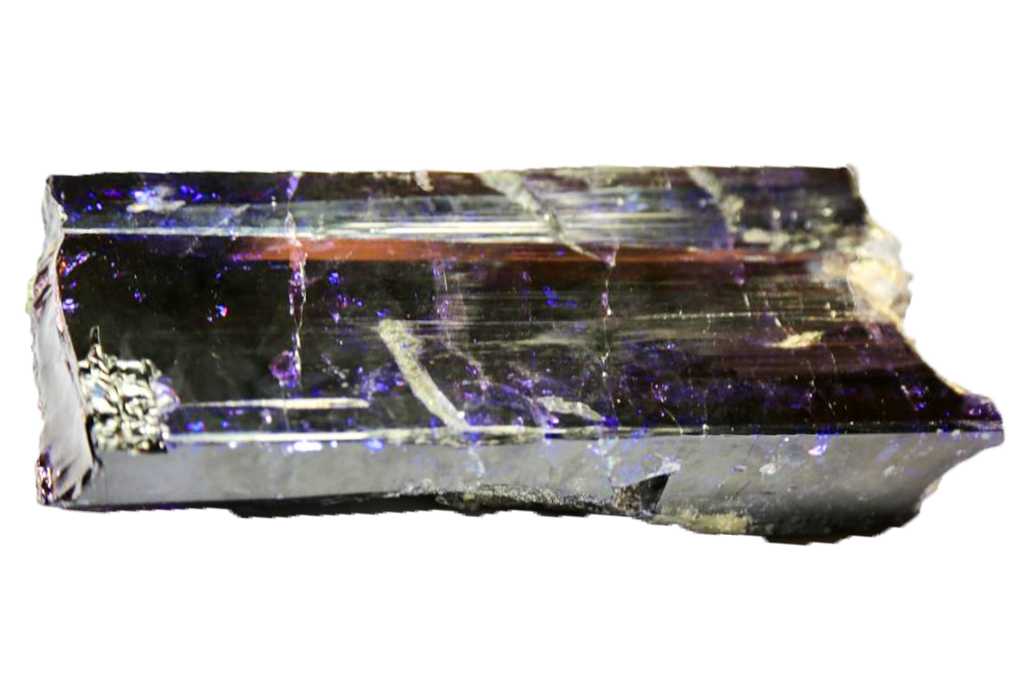
Tanzanite is moderately hard on the Mohs scale but has planes of cleavage that make it more susceptible to fracturing from an impact. In addition, prolonged exposure to heat or UV light can cause the stone’s color to fade or shift. Tanzanite should not be cleaned with ultrasonic or steam cleaners. Instead it should be cleaned with warm water, mild dish soap, and a soft brush, followed by patting it dry with a lint-free cloth.
Turquoise

This gemstone’s color spectrum varies widely, from a nearly white pale blue to a vibrant sky blue to yellowish-green. The market value of turquoise depends primarily on the color. Sky blue stones with solid, even coloring and little to no veining or spots are generally considered the most valuable. In the United States the market is a little more inclusive to different shades and the presence of the host rock, or “matrix”. This is partly because of the long tradition of southwestern turquoise jewelry, dating back to the indigenous tribes that used it first in their jewelry, as well as to the abundance of turquoise mined in the United States, which tends to be greener and more mottled than other markets prefer.
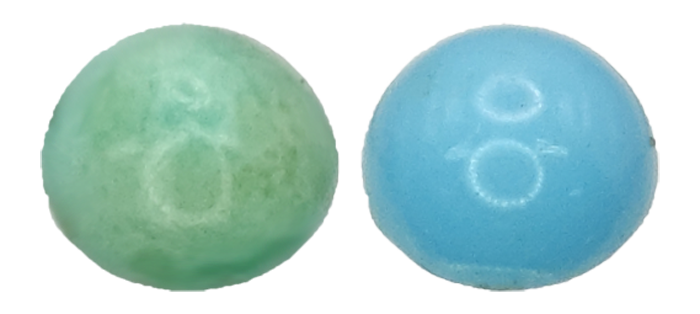
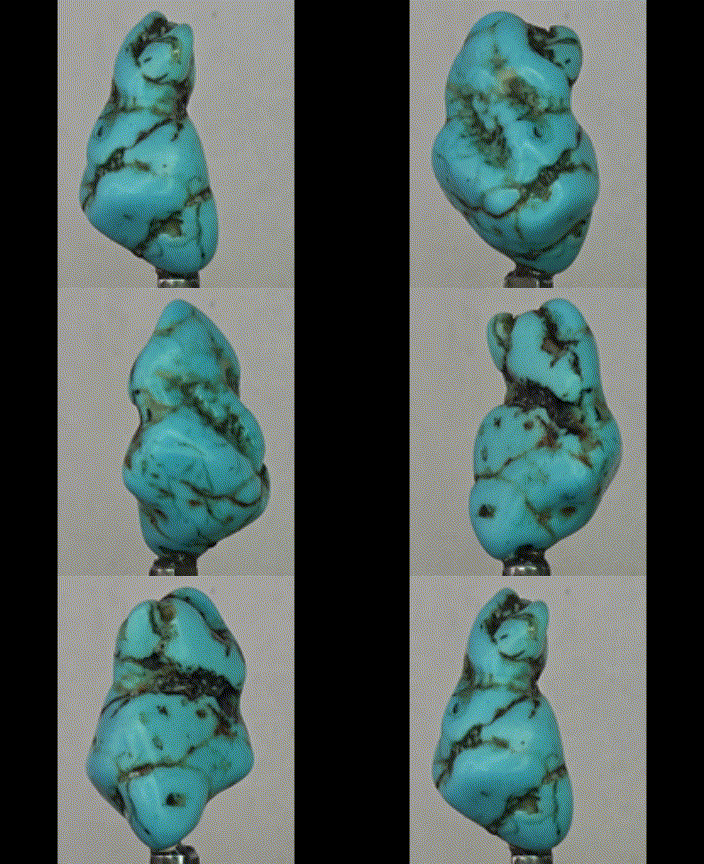
Turquoise can undergo several treatments to enhance its durability or color. Waxed or oiled turquoise is widely accepted as it helps protect the stone from drying and scratching, though high quality specimens generally don’t need it. In contrast, methods such as dyeing, stabilization, and reconstitution are viewed as artificial and can significantly lower the gem’s value. Despite the presence of many imitations and synthetic versions, genuine turquoise remains relatively easy to distinguish by simple examination with little more than a jeweler’s loupe.
The largest turquoise ever discovered is a 496-pound boulder found in China, and is on display in the Shandong Tianyu Museum of Natural History. The largest specimen in the United States weighed 380 pounds before being polished down to 245 pounds. It is on display in the Avant Mining Fisher Mountain Rock Shop in Mount Ida, Arkansas.
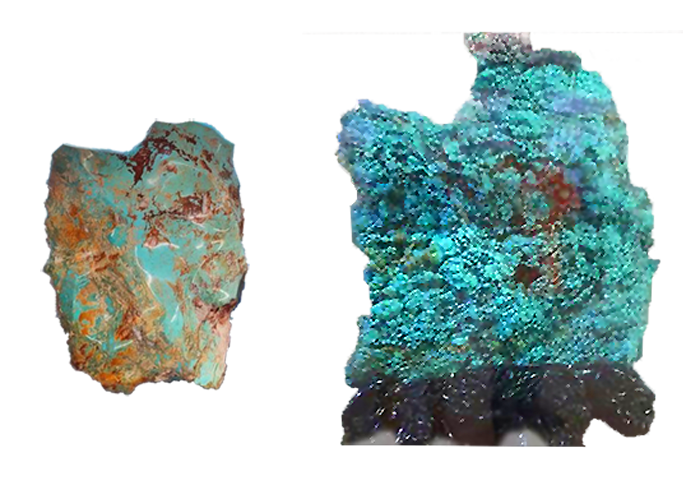
Because turquoise is one of the softer gemstones, it requires special care. You should always remove turquoise jewelry before engaging in any physical activity. It can sometimes be porous and can absorb oils, dyes, and chemicals, which may discolor or damage it. Heat and prolonged exposure to UV light can also cause drying which may result in discoloration or crazing. Cleaning should be done gently with warm water, mild dish soap, and a soft brush, followed by patting dry with a lint-free cloth. It should never be soaked for long periods. Over time, waxed turquoise may develop a powdery white surface, which a professional lapidary can safely restore to its original shine.
Zircon
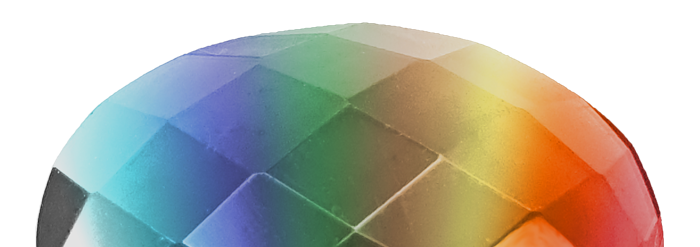
Zircon is a naturally occurring mineral composed of zirconium silicate. Sometimes mistaken for cubic zirconia, a synthetic crystal made from zirconium oxide. The name “zircon” originates from the Persian word “zargun”, meaning “gold-hued”. Beyond its beauty as a gemstone, zircon plays a vital role in industry. It is used in ceramics to make glazes opaque and to enhance heat resistance in clays, and it serves as the primary source of the metal zirconium.
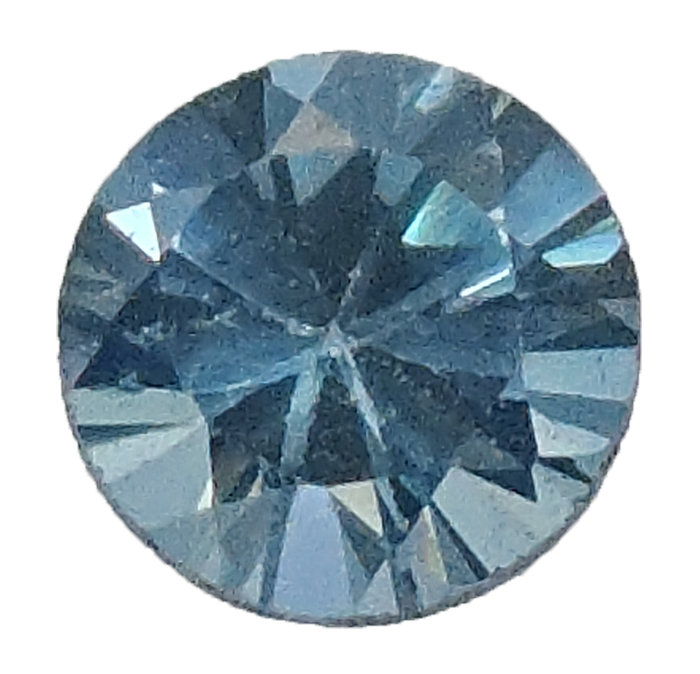
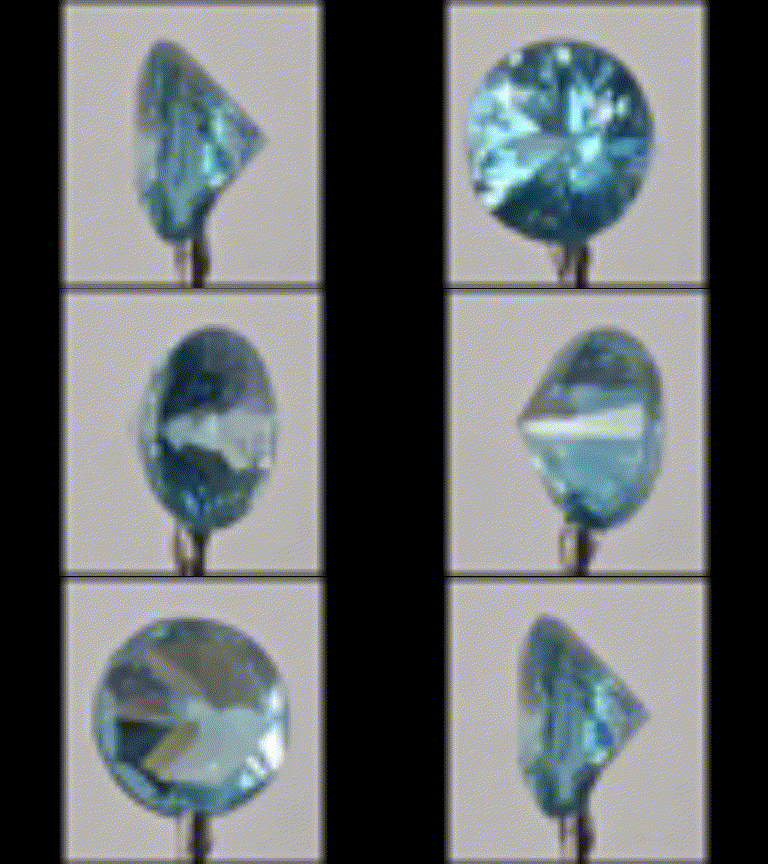
Gem-quality zircon occurs in a wide spectrum of colors, including red, yellow, green, blue, and colorless varieties. Among these, blue zircon has historically been the most prized. Clear zircon can also serve as a convincing diamond simulant due to its high refractive index. Formed in hot igneous rocks, zircon crystals incorporate trace amounts of uranium during their growth. Over time, the uranium decays into lead at a predictable rate, allowing scientists to determine the age of the crystal, a process that has revealed zircons to be among the oldest known gemstones on Earth, some dating back over four billion years. The color some zircons have come from trace elements mixed into their crystal lattice. Some of these colors require slow, constant heating over geologic time scales, while blues may be developed with much higher temperatures over a much shorter time.
Enhanced zircons are not uncommon, but the relatively low market value of zircon means that enhancements don’t affect their value as much as other gems. Synthetic zircon is also available, but it is not common as cubic zirconia are cheap, plentiful and generally considered a superior synthetic gem.
According to a photographic plate in the American Museum of Natural History, the largest faceted zircon on display was mined in Sri Lanka, weighing over 208 carats. While this may not sound impressive when compared with some other gems, it is noteworthy for zircon. The overwhelming majority of rough zircon crystals are less than 1mm, putting this roughly 35mm brilliant cut gem into perspective.
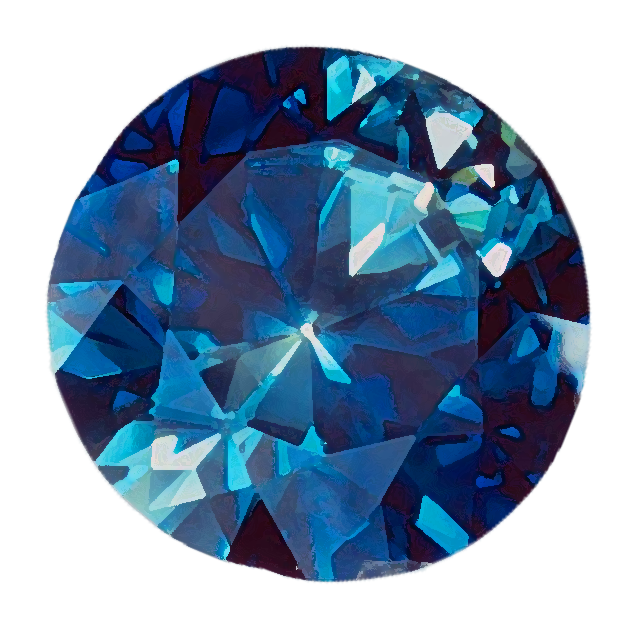
In terms of care, zircon is durable enough for daily wear but can chip or break if struck. It should be removed during strenuous activity or manual work. Regular cleaning should be done with warm water, mild soap, and a soft brush. Ultrasonic and steam cleaners are usually safe, but best left to the professionals. While zircon is resistant to most chemicals, the metal around it may not be, so it’s usually a good idea to remove jewelry when cleaning or applying cosmetics.