August’s birthstones are united by a vitality that is revealed rather than declared. Peridot brings a fresh, unmistakable green that seems to glow from within. Spinel, long admired even before it was fully understood, offers a host of effervescent colors. Sardonyx, the oldest of these gems associated with August, has been carved into cabochons and cameos since antiquity, not just emulating life, but encapsulating it. Together, they reflect warmth, strength, and individuality at the height of summer.
Peridot

Peridot is the gem-quality variety of olivine, a mineral formed deep within the earth’s mantle and brought to the surface through volcanic activity. Its color ranges from yellow-green to olive and deep lime, with iron playing a central role in producing its characteristic hue. Unlike many gemstones, peridot’s color is inherent rather than the result of trace impurities, giving it a clarity and consistency that feels distinctly natural.
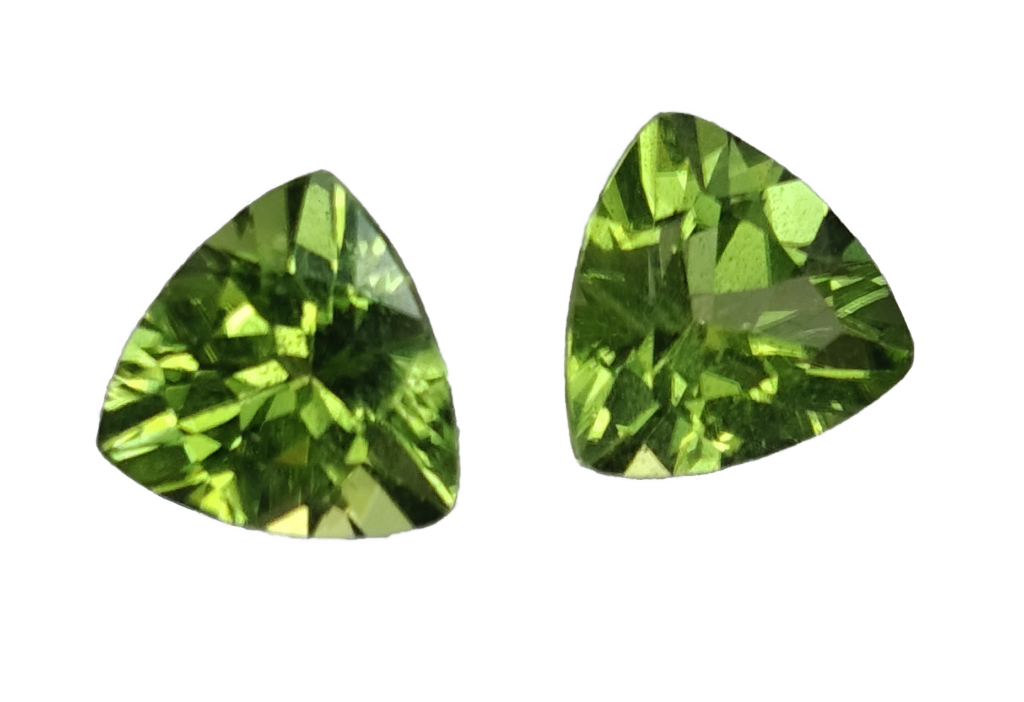
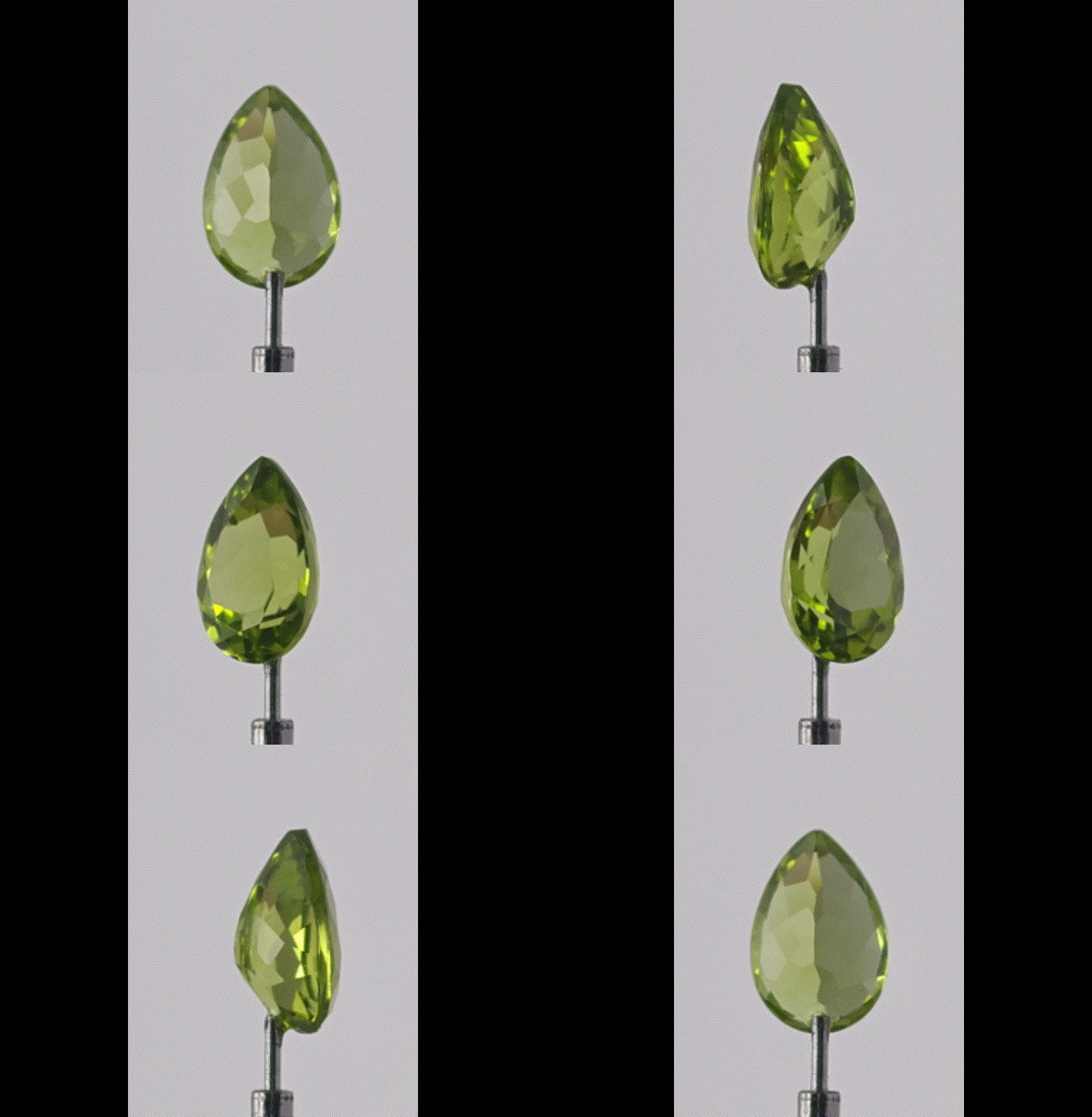
Peridot has been valued since antiquity, though it was often confused with other green stones such as emerald. Some of the earliest known sources were on the volcanic island of Zabargad in the Red Sea, where stones were mined under harsh conditions and transported across ancient trade routes. Over time, peridot became associated with protection and renewal, in part due to its bright, enduring color.
Today, significant peridot deposits are found in Arizona, Pakistan, China, and Myanmar. Stones from different regions can vary slightly in tone and saturation, but well-cut peridot is generally prized for brightness and transparency rather than depth of color alone. Larger stones are relatively accessible compared to many other gemstones, making peridot appealing across a wide range of styles and budgets.
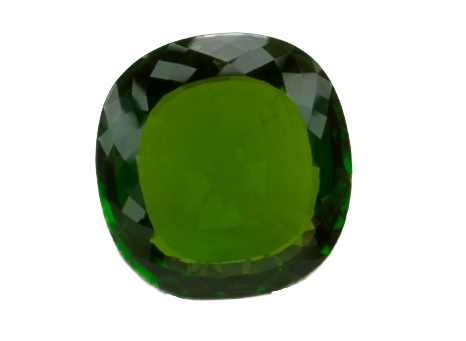
One of the largest cut peridots on public display weighs 310 carats and is housed at the National Museum of Natural History. The stone highlights the scale peridot can achieve while maintaining clarity and color, characteristics that are often difficult to preserve in larger gems.
Peridot is moderately hard but can be prone to scratching and chipping. Jewelry should be removed during physical activity, and care should be taken when storing it alongside harder stones. Cleaning should be done with warm water, mild dish soap, and a soft brush. Ultrasonic and steam cleaners should be avoided, as should prolonged exposure to acids.
Sardonyx

Sardonyx is a banded variety of chalcedony composed of alternating layers of sard, a reddish-brown form of quartz, and white or black onyx. The sharp contrast between its layers has made sardonyx especially well suited for carvings, seal stones, and cameos.
Historically, sardonyx held strong symbolic meaning. In ancient Rome, it was associated with strength, courage, and protection, and was frequently carved into signet rings used to seal documents. The layered structure of the stone allowed engravers to create detailed reliefs that stood out clearly against contrasting backgrounds.
One of the most well-known sardonyx artifacts is the Gemma Augustea, a large Roman cameo carved in layered sardonyx during the early first century. It depicts the emperor Augustus and is considered one of the finest surviving examples of ancient gemstone carving.
Sardonyx is durable enough for regular wear but can chip if struck along exposed edges. Cleaning should be done gently with warm water, mild dish soap, and a soft brush or cloth. Ultrasonic and steam cleaners should be avoided, particularly for carved or antique pieces.
Spinel
Spinel is a gemstone that spent centuries hidden in plain sight. Occurring in a wide range of colors, including red, pink, blue, violet, and black, spinel was historically mistaken for ruby or sapphire due to its similar appearance and durability. It was only with the development of modern mineral identification that spinel was recognized as a distinct mineral in its own right.
Chemically, spinel is a magnesium aluminum oxide, and its color is influenced by trace elements such as chromium, iron, or cobalt. Fine spinel is valued for its brightness, color stability, and lack of routine treatments. Unlike many gemstones, spinel is commonly found in its natural, untreated state, a quality that has contributed to renewed appreciation in recent decades.
Some of the most famous “rubies” in history have since been identified as spinel. Among them is the Black Prince’s Ruby, a large red spinel set into the British Imperial State Crown. Its long and well-documented history illustrates how highly spinel was valued, even when its true identity was not yet understood.
Spinel is durable enough for everyday wear and performs well in a variety of settings. It should be cleaned with warm water, mild dish soap, and a soft brush. Ultrasonic cleaners are generally safe, but steam cleaning should be avoided as a precaution. As with most fine jewelry, removing spinel pieces during strenuous activity helps preserve their finish.