June’s birthstones explore three very different expressions of beauty. Pearl reflects softness shaped slowly by nature, moonstone offers quiet luminosity with an almost otherworldly presence, and alexandrite stands apart for its rarity and dramatic transformation. Together, they represent subtlety, change, and individuality.
Pearl
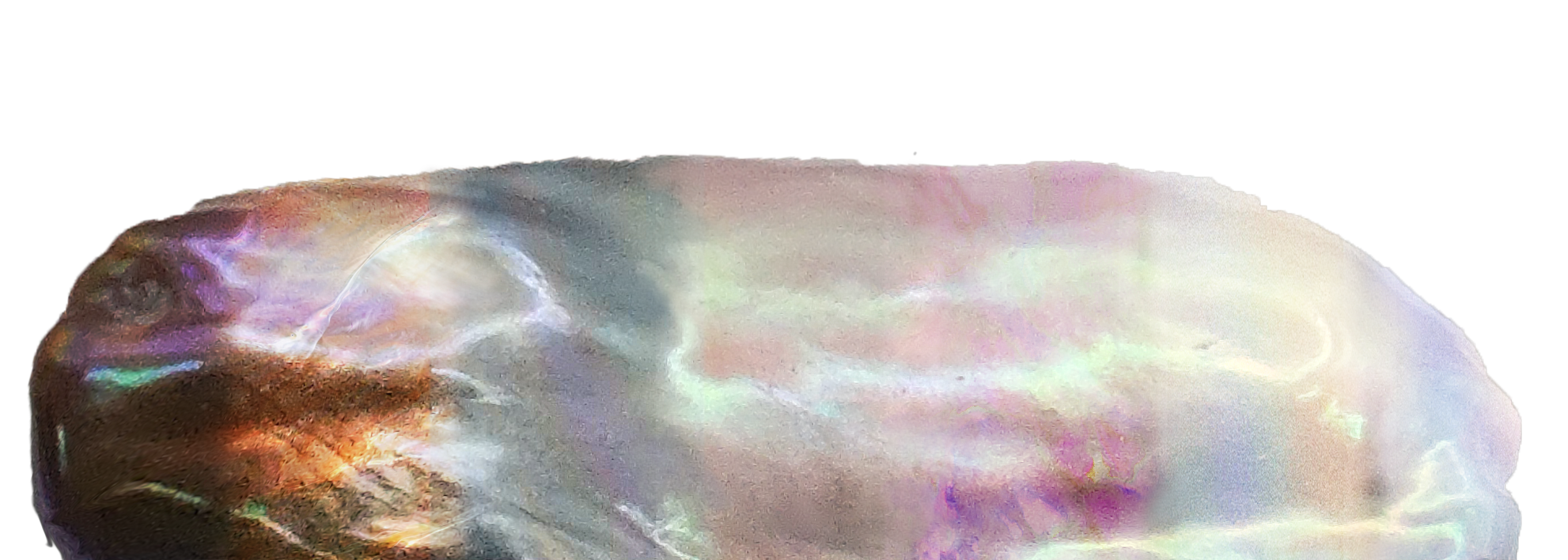
Pearl is unique among the birthstones in that it is formed within a living organism rather than crystallizing in the earth. Layer by layer, nacre builds around an irritant inside a mollusk, producing a gem valued for its luster and surface quality rather than brilliance or facet structure. Pearls occur in a wide range of colors, including white, cream, silver, gold, pink, and deep charcoal, with overtone and the depth of both color and luster playing an important role in their appearance and value.
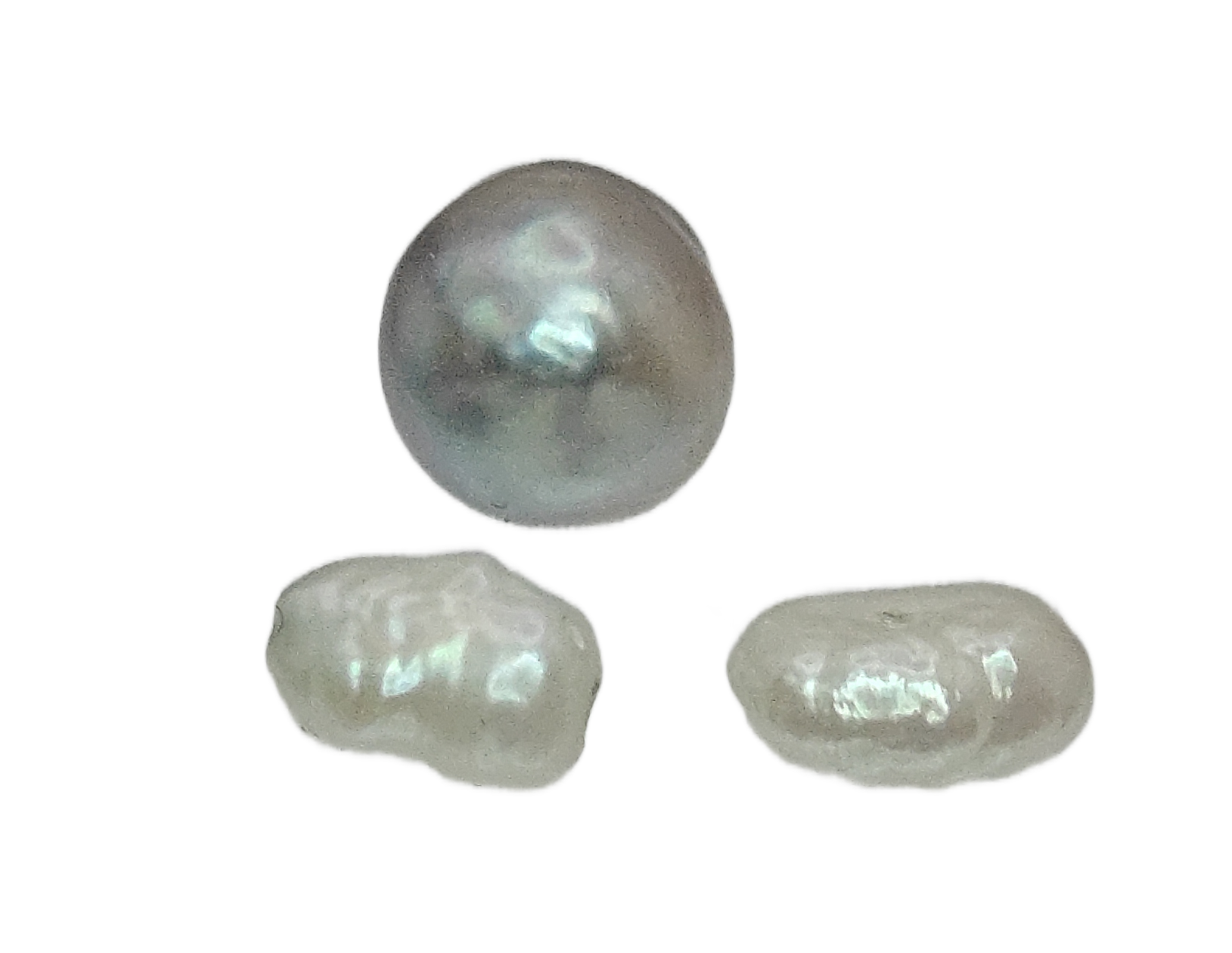
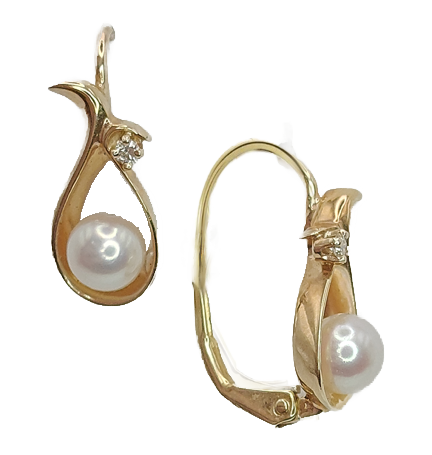
For much of recorded history, pearls were among the rarest gemstones available. Before the development of pearl cultivation in the early twentieth century, natural pearls were recovered through diving, often at great personal risk. This scarcity made pearls symbols of wealth and power, worn by royalty and incorporated into ceremonial jewelry across cultures.
Today, most pearls on the market are cultured, a process that still relies on natural nacre formation but allows for greater consistency and availability. Cultured pearls are widely accepted and valued, with nacre thickness, luster, shape, and surface condition determining quality. Imitation pearls lack the layered structure of nacre and are easily distinguished by their uniform appearance and diminished depth.
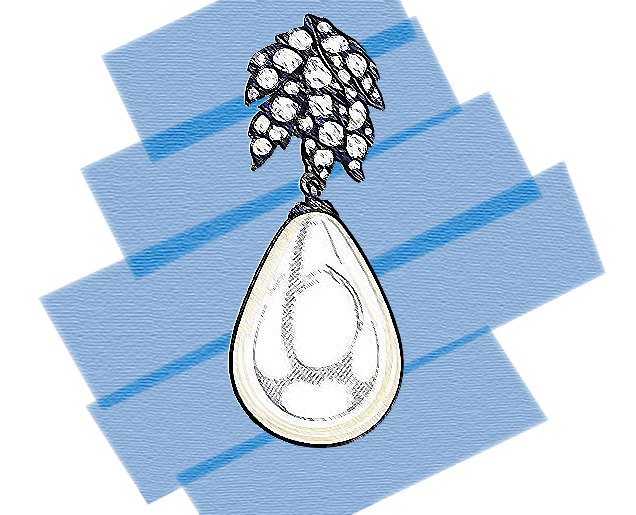
One of the most famous pearls in existence is La Peregrina, a nearly perfect pear-shaped natural pearl discovered in the sixteenth century. Weighing just over 50 carats, it passed through the hands of Spanish royalty and European nobility over several centuries, with its history well documented across multiple collections.
Pearls are soft and particularly sensitive to acids, chemicals, and abrasion. They should be wiped gently with a soft cloth after wear and never cleaned with ultrasonic or steam cleaners. Pearls should be stored separated from other jewelry to avoid damage, and you should apply cosmetics or fragrances before you wear pearls.
Moonstone
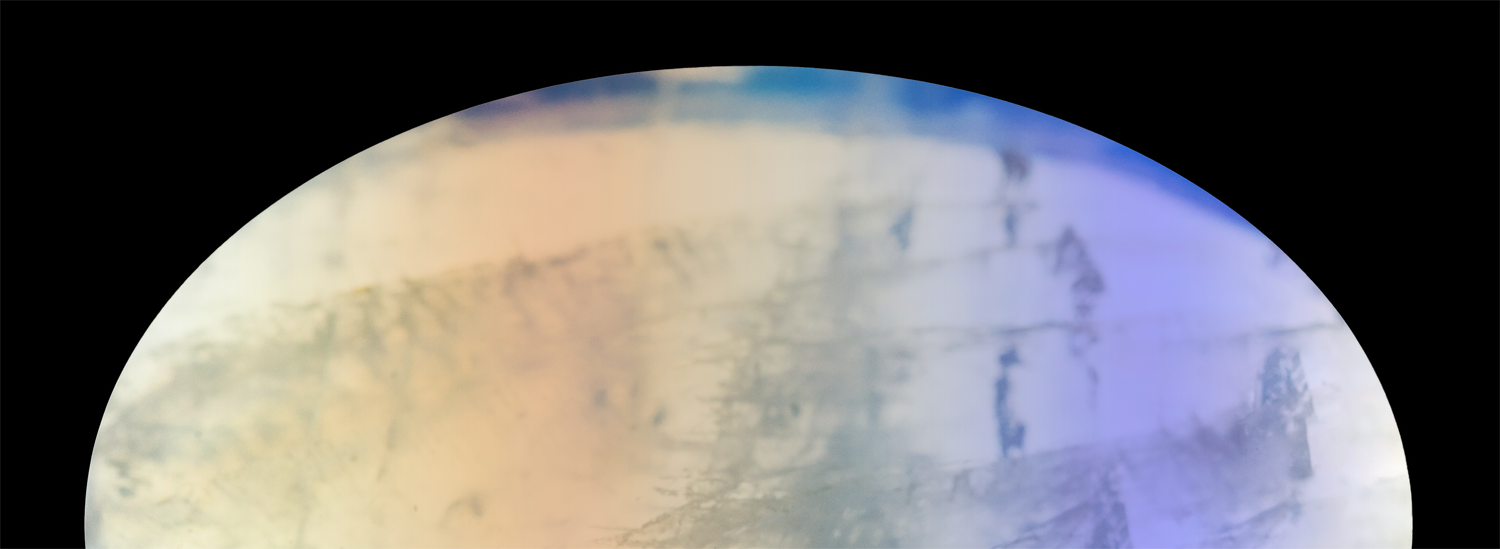
Moonstone is a variety of feldspar best known for adularescence, a soft, billowing glow that appears to move beneath the surface of the stone. This effect is caused by light scattering between thin internal layers, creating a luminous sheen often compared to moonlight drifting across water.
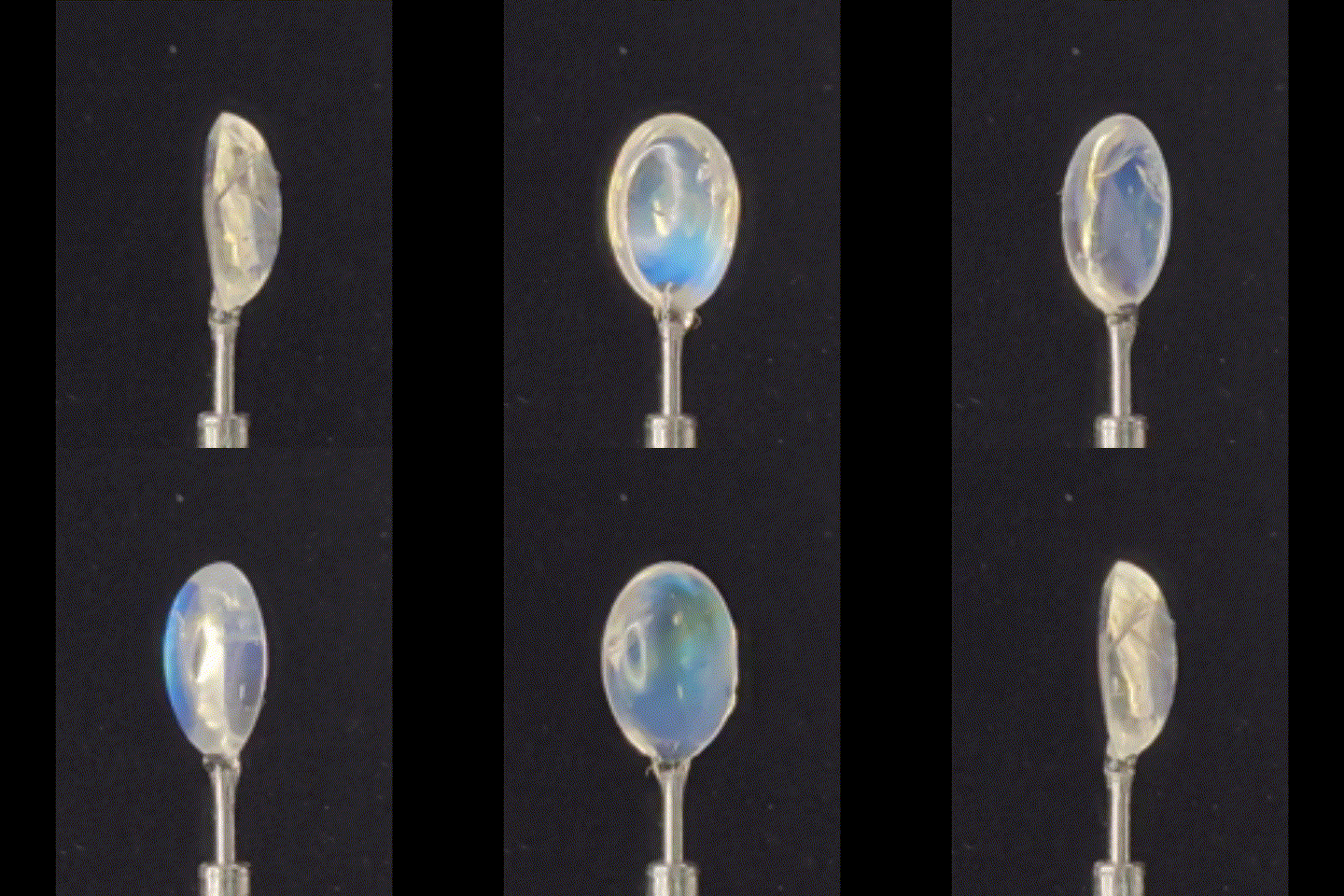
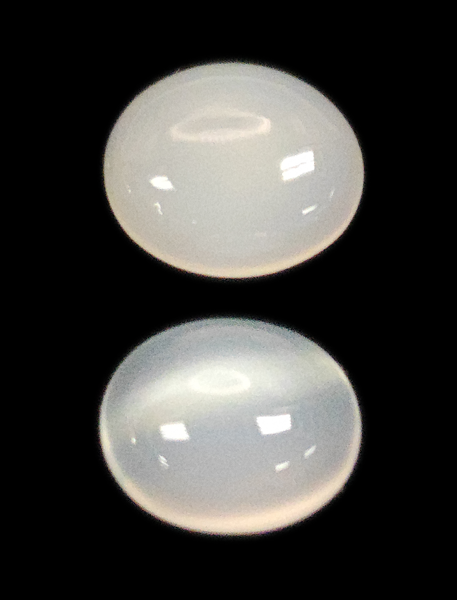
Moonstones are typically colorless to milky white, though they can also appear in peach, gray, green, or blue varieties. Stones with a strong blue adularescence set against a clear or translucent body are generally the most prized. Unlike gemstones that rely on saturation or brilliance, moonstone’s appeal lies in subtle movement and light interaction.
Historically, moonstone has been associated with intuition, protection, and cycles of change. It was favored in ancient Roman jewelry and experienced a resurgence during the Art Nouveau period, when designers embraced its ethereal appearance and organic character.
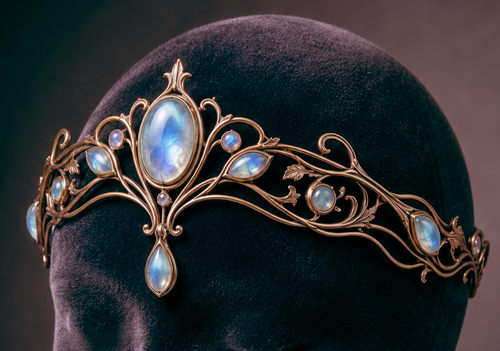
Moonstone is moderately soft and can be prone to chipping, especially along sharp edges. Jewelry should be removed during physical activity, and care should be taken when setting the stone. Cleaning should be done with warm water, mild soap, and a soft brush. Ultrasonic and steam cleaners should be avoided.
Alexandrite
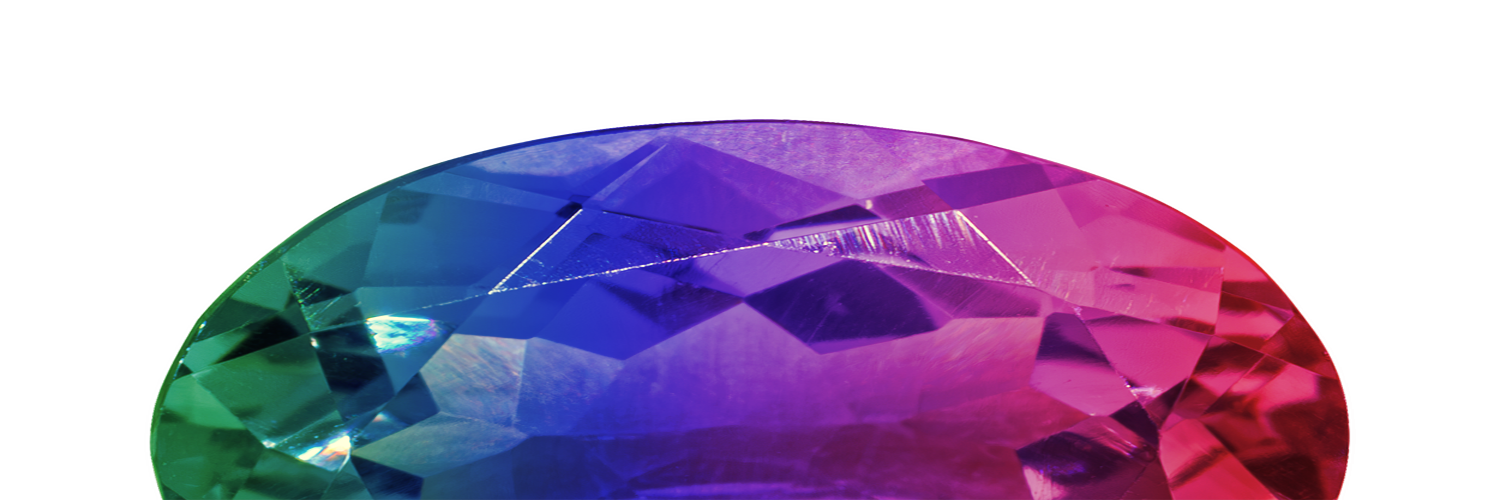
Alexandrite is a rare variety of chrysoberyl celebrated for its dramatic color change. In daylight, it typically appears green to bluish green, while under incandescent light it shifts to red or purplish red. This phenomenon is caused by the stone’s selective absorption of light and trace elements within its crystal structure.
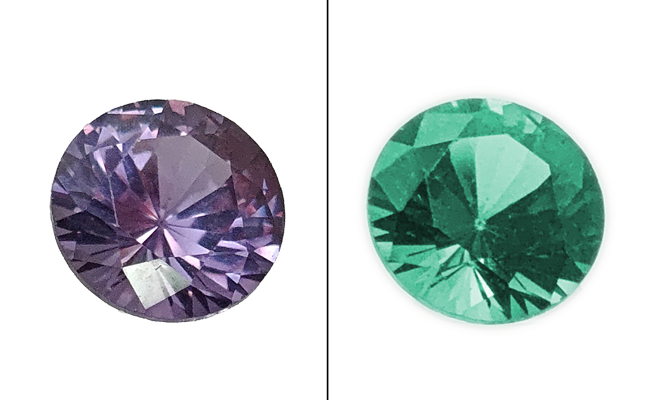
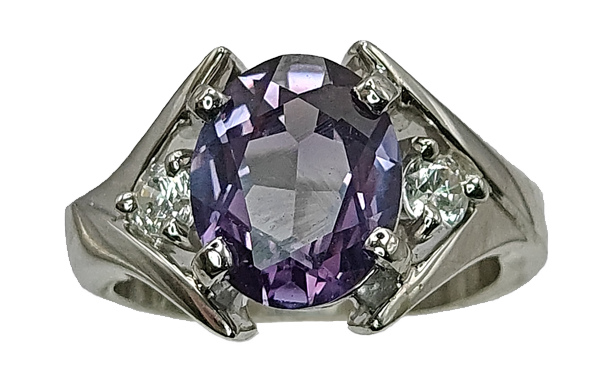
First discovered in Russia’s Ural Mountains in the 1830s, alexandrite quickly became associated with imperial prestige. Fine natural alexandrite is exceptionally scarce, and stones with strong, clearly defined color change are among the most valuable gemstones in the world.
The largest faceted alexandrite is reportedly a 141ct gem in a private collection in Japan, but the largest on public display weighs 65.08 carats and is housed at the Smithsonian National Museum of Natural History as part of its permanent gem collection.
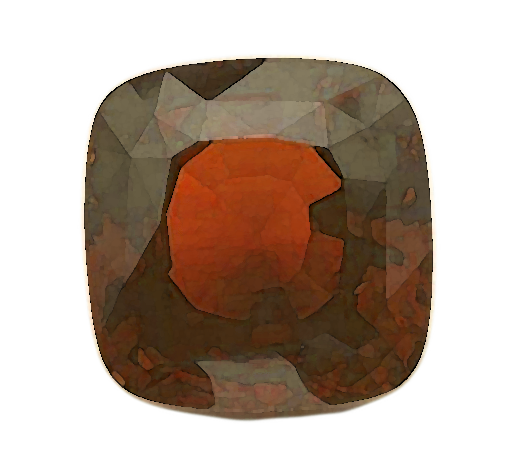
Alexandrite is durable enough for everyday wear, though its rarity often places it in special-occasion jewelry. Cleaning should be done with warm water, mild dish soap, and a soft brush. Ultrasonic cleaners are generally safe for natural stones, but steam cleaning should be avoided. Removing alexandrite jewelry during strenuous activity is recommended.